• Home
  • About
  • Samui Insects
    • Butterflies

    • Papilionidae
    • Pieridae
    • Nymphalidae - Danainae

    • Nymphalidae - Satyrinae
    • Nymphalidae - Morphinae
    • Nymphalidae - Acraeinae,Nymphalinae,Charaxinae

    • Lycaenidae, Riodinidae
    • Hesperiidae
    • Dragonflies and Damselflies

    • Amphipterygidae
    • Caliphaeidae
    • Calopterygidae
    • Chlorocyphidae
    • Euphaeidae
    • Chlorolestidae

    • Lestidae
    • Megapodagrionidae
    • Coenagrionidae
    • Platycnemididae
    • Platystictidae
    • Protoneuridae

    • Aeshnidae
    • Gomphidae
    • Cordulegastridae
    • Chlorogomphidae
    • Corduliidae
    • Libellulidae
  • Cercopoidea
  • Expeditions
  • Galleries
    • Coleoptera(Beetles)

    • Cicindelidae
    • Lucanidae
    • Scarabaeidae
    • Buprestidae
    • Cerambycidae

    • Lepidoptera(Moths)

    • Sphingidae
    • Notodontidae
    • Noctuidae
    • Erebidae -Arctiinae
    • Erebidae -Lymantriinae
    • Erebidae -Other Subfamilies
    • Eutelidae
    • Geometridae
    • Other Families
    • Macro Species needing identification
    • Crambidae
    • Micro Species needing identification

    • Hymenoptera(Bees & Wasps)


      • Mantodea(Praying Mantids)


        • Orthoptera(Grasshoppers & Crickets)


          • Hemiptera(True Bugs)

          • Cercopoidea - Cercopidae
          • Cercopoidea - Aphroproidae and Machaerotidae
          • Membracoidea - Cicadellidae
          • Membracoidea - Membracidae
          • Fulgoroidea - Cixiidae
          • Fulgoroidea - Fulgoridae
          • Fulgoroidea - Flatidae
          • Fulgoroidea - Eurybrachidae
          • Fulgoroidea - Issidae
          • Fulgoroidea - Lophopidae
          • Fulgoroidea - Ricaniidae
          • Fulgoroidea - Others
          • Reduvioidea/Miroidea
          • Pyrrhocoroidea
          • Lygaeiodea
          • Coreoidea
          • Pentatomoidea - Pentatomidae
          • Pentatomoidea - Scutelleridae
          • Pentatomoidea - Tessaratomidae
          • Pentatomoidea - Others

            • Other Families

  • Contact
  • Links
  • Insects >> Butterflies >> Pieridae >> Hebomoia glaucippe glaucippe
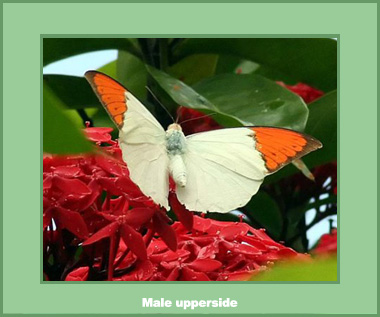
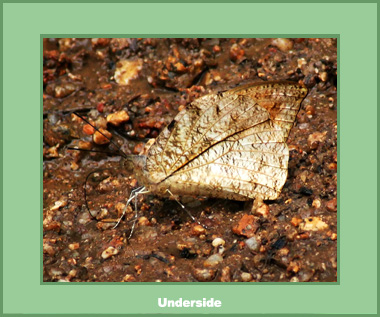
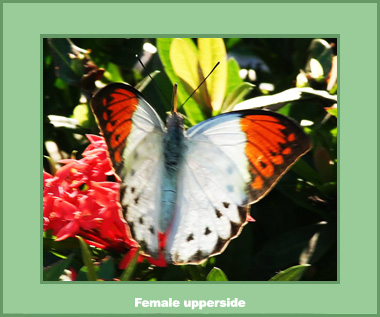
    Hebomoia glaucippe glaucippe


    Hebomoia glaucippe glaucippe - Male Hebomoia glaucippe glaucippe - Male Hebomoia glaucippe glaucippe - Male

    << Back to Pieridae overview

    Fruhstorfer 1910 - The Great Orange Tip

    Koh Samui and Koh Pha Ngan.

    This is the largest of all Pieridae in Asia, and quite unmistakeable, even on the wing. This species is found throughout most of South-East Asia and there are many different subspecies.

    A species of the lowlands, it can be found throughout the Island, but the common males can mostly be found on the edges of forests and by streams. The rarer females, however, rarely leave the confines of the forests.

    Flight Period

    JanFebMarAprMayJunJulAugSepOctNovDec
    xxxxxxxxxxxx

    Wingspan

    70 - 90mm

    Early Stages

    Fully known. More detailed life history information is available from the following resources: S. Igarishi - Life Histories of Asian Butterflies, Volume.1 , Page 289.

    Larval Foodplant

    Crateva religiosa and Capparis moonii (both Capparidaeceae)

    Range

    Peninsular Thailand, Mainland Malaysia, NW India, Indo-China and S. China. Other subspecies are found along the Indonesian Archipelago.

    Home | About | Insects | Cercopoidea | Expeditions | Galleries | Contact | Links and Resources | Disclaimer | Privacy | Sitemap

    © 2000-2019 www.Samuibutterflies.com and Les Day
    Design and Development by tomjansen.net